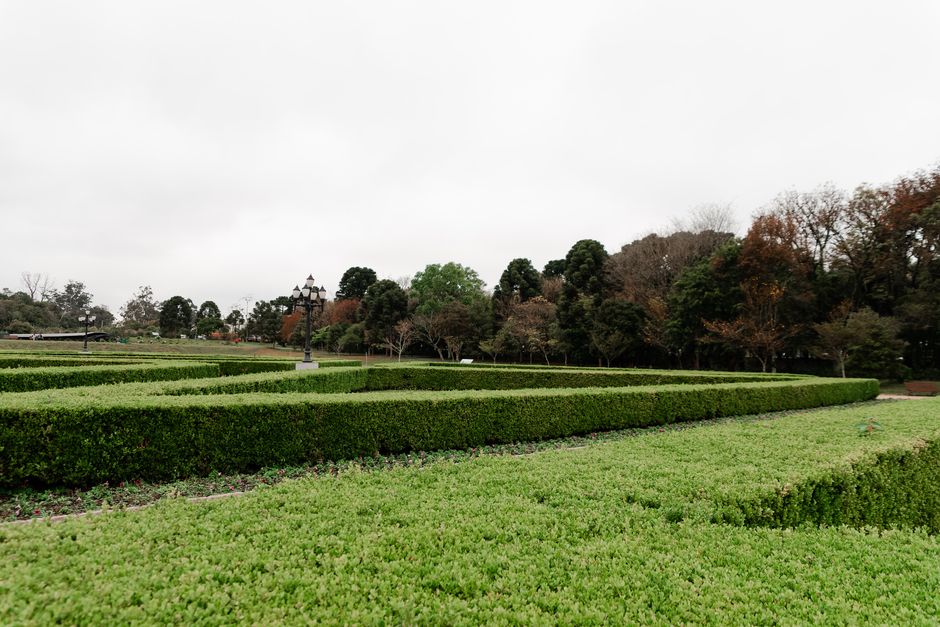
Lawn care insider tips for Pond Road gardens Maze Hill
If your Pond Road lawn in Maze Hill looks tired, patchy, or simply harder to manage than it used to, you are not alone. Coastal air, shade from nearby trees, busy footpaths, compacted soil, and the odd spell of heavy rain can all make a lawn feel like a small battleground. The good news? With the right lawn care insider tips for Pond Road gardens Maze Hill, you can usually turn things around without overcomplicating it. A healthier lawn is not just about appearances either. It gives the whole garden a cleaner feel, makes borders look sharper, and cuts down on long-term repair work.
In this guide, we will walk through the practical stuff that actually matters: what to do first, how lawn care works in a local setting, which mistakes quietly ruin good grass, and when it makes sense to bring in help. Along the way, you will find seasonal advice, local-minded maintenance tips, and a few honest observations from the sort of gardens where the grass never seems to get the memo. Let's make it simple, useful, and a bit less stressful.
Why Lawn care insider tips for Pond Road gardens Maze Hill Matters
On paper, lawn care sounds straightforward: mow it, water it, maybe feed it now and then. In reality, Pond Road gardens in Maze Hill can throw a few curveballs. Some lawns get baked in summer because they sit in exposed spots. Others stay damp far too long after rain. A few are squeezed between trees, fences, decking, or narrow side access, which makes regular upkeep feel fiddly.
That is why the best lawn care advice is never one-size-fits-all. A lawn in this part of London often needs more attention to drainage, mowing height, and weed pressure than the average "weekly mow and hope for the best" approach. Truth be told, the biggest gains usually come from small corrections done consistently. Not dramatic. Just smart.
If your garden also has boundary planting or shade issues, it can help to think beyond the turf itself. Related planting choices can change the amount of light and competition your lawn gets. For example, some people pair lawn work with ideas from ivy control strategies or even broader planning from ground cover alternatives when they need to reduce maintenance at the edges. That little shift can save a surprising amount of time later on.
There is also a visual reason this matters. A solid lawn frames everything else: paths, borders, seating, and planting schemes. If the grass looks thin or uneven, the whole garden feels unfinished, even when the rest is lovely. Funny how that works.
How Lawn care insider tips for Pond Road gardens Maze Hill Works
Good lawn care is basically a cycle of observation, correction, and maintenance. You look at what the grass is telling you, then adjust the basics rather than reaching for a quick fix every time something looks off. In a local garden setting, that means paying attention to soil condition, shade, water movement, grass length, and seasonal stress.
Here is the simple version of how it works:
- Assess the lawn properly. Check where it is thin, mossy, patchy, dry, or waterlogged. Look at the edges too; problems often begin there.
- Match care to conditions. A shaded strip near fencing will not need the same treatment as an open front lawn. That sounds obvious, but it gets missed all the time.
- Cut less aggressively. Cutting too short weakens grass, especially in changeable UK weather.
- Improve the soil beneath it. Compacted, tired soil will keep undermining the lawn no matter how often you mow.
- Treat weeds, moss, and bare patches in the right order. Otherwise, you are just rearranging the problem.
The real insider bit is this: lawns usually fail from pressure in several places at once. Foot traffic, poor drainage, shade, and neglect of edging can combine into one messy picture. If you only chase one symptom, you may feel busy without improving much. Been there, seen that, not especially glamorous.
That is why many homeowners pair lawn work with broader garden care. A tidy garden framework often starts with routine garden maintenance and sometimes broader professional lawn care support when the lawn needs a more structured reset. It is not about doing everything at once. It is about doing the right sequence.
Key Benefits and Practical Advantages
A well-kept lawn does a lot of quiet heavy lifting. It softens hard landscaping, reduces muddy patches, and gives children or pets a safer surface to play on. More importantly, it makes the garden easier to keep tidy overall because healthy turf competes better against weeds and erosion.
- Cleaner visual finish: A neat lawn makes the whole garden look more cared for.
- Better resilience: Healthy roots recover faster from heat, rain, and foot traffic.
- Less weed invasion: Dense grass leaves fewer gaps for unwanted growth.
- Improved drainage feel: Aerated, healthy soil handles wet spells better.
- More usable outdoor space: You actually want to sit, play, or walk barefoot on it.
There is also a budget angle. A lawn that gets the right attention tends to need fewer "emergency fixes" later. That is especially useful if you are trying to keep maintenance modest. If that sounds familiar, you may find the thinking behind low-maintenance gardening ideas useful, because the same principle applies: reduce the work the garden creates for you.
Expert summary: In most Maze Hill gardens, the fastest improvement does not come from fancy products. It comes from mowing at the right height, easing compaction, feeding sensibly, and dealing with shade or drainage issues before they spread.
And yes, there is satisfaction in it. Not dramatic movie satisfaction. More like walking outside on a cool morning and noticing the grass looks greener than it did last week. Small win, but a real one.
Who This Is For and When It Makes Sense
This approach is for anyone who wants a better lawn without guessing. That includes first-time homeowners, busy families, landlords, garden enthusiasts, and older residents who want the outdoor space to feel manageable rather than demanding.
It makes particular sense if:
- your lawn has patchy or thinning areas;
- moss keeps returning after damp spells;
- the grass looks tired even after mowing;
- your garden gets shade for part of the day;
- water tends to sit on the surface after rain;
- you want a better result before spring or summer hosting;
- the garden is small and every square metre matters.
It also makes sense if you already know your lawn is only part of the bigger picture. For example, if hedges, climbers, or boundaries are creating shade or crowding, the grass may never improve properly until those issues are addressed too. In that case, thinking about hedge trimming in Maze Hill can be part of the wider solution.
If your outdoor space is more of a mixed-use garden with kids, pets, patios, or narrow planting beds, you may also need lawn care that works alongside the rest of the layout. That is where practical garden planning starts to matter more than isolated treatments. The lawn does not exist in a vacuum. Slightly annoying, but true.
Step-by-Step Guidance
Below is the most reliable way to tackle lawn care in Pond Road gardens Maze Hill without getting bogged down in gimmicks. Follow the order. It matters more than people think.
1. Start with a proper lawn check
Walk the lawn slowly. Look for dead patches, darker wet spots, bare edges, rabbiting or digging, compacted footpaths, and weeds hiding in plain sight. It helps to do this in daylight after a dry spell, because the grass shape and problem areas are easier to read.
2. Mow high enough to protect the grass
One of the simplest insider tips is not to scalp the lawn. Cutting too short weakens the blades and exposes soil, which encourages weed seeds and stress. In cooler or shaded gardens, a slightly higher cut often performs better. If the grass has been neglected, reduce the height gradually rather than taking it right down in one go.
3. Clear debris before you do anything else
Leaves, twigs, and dead grass block light and hold moisture. A quick tidy makes the rest of the work more effective. It is a boring step, admittedly, but a useful one. If you are already planning a bigger refresh, the garden often benefits from a broader tidy through regular mowing support or a more complete tidy-up through general gardening services.
4. Address compaction
Compacted soil is one of the sneakiest problems in local lawns. It usually shows up where people walk the most, or where the soil has been squeezed by repeated wet and dry cycles. Aeration helps here by opening the surface so air, water, and nutrients can reach the roots. If you hear a lawn described as "stiff" or "hard underfoot," this is often what people mean.
5. Feed the lawn at the right time
Feeding works best when the grass is actively growing and can actually use the nutrients. Overfeeding is a classic mistake. It can create a flush of soft growth that is more vulnerable to stress. Keep it measured, not theatrical.
6. Repair thin or bare areas
Rake out the dead material, loosen the surface, and overseed with a suitable grass seed mix. Then keep those areas lightly moist while they establish. A tiny patch can become a big one if ignored for a month. Ask anyone who has meant to "sort it at the weekend" and then... well, didn't.
7. Keep on top of weeds and moss
Do not treat weed control as a once-a-year thing. It works best as regular observation and targeted action. Moss, in particular, is often a symptom rather than a root problem. Shade, poor drainage, and low fertility all invite it back. If weeds are becoming a recurring headache, it may help to read more about effective weed control for lawns.
8. Edge and finish cleanly
A tidy edge makes even a fairly average lawn look more intentional. It also stops grass from creeping into borders, paths, and patio joints. That clean line gives the garden a calm, finished feel. Slight thing. Big difference.
Expert Tips for Better Results
Here is where the nicer little details come in, the things that separate decent lawns from truly good ones.
- Water deeply, not constantly. Light watering encourages shallow roots. Deeper soaking, done sensibly, helps roots grow downwards.
- Mow when the grass is dry. Wet cuts can tear the blades and leave a ragged finish. Also, your shoes will hate you.
- Watch the shade pattern over the day. A lawn under trees may need a shade-tolerant seed mix or a different maintenance plan altogether.
- Avoid working the soil when it is very wet. You will just worsen compaction. Wait if you can.
- Rake lightly but regularly. It improves airflow and reduces the thatch layer that can sit on top of turf.
- Keep tools sharp and clean. Blunt blades bruise grass, and dirty tools spread problems between areas.
One practical observation from gardens like these: the lawn often improves fastest when the surrounding garden is also under control. A dense hedge that blocks light, an overgrown border that spills into the turf, or a climbing plant that has taken over a fence line can all affect the lawn indirectly. If that is part of your situation, the advice in shade-focused climbing plant ideas can be useful, but only if the overall balance of the space still works for turf. And yes, I know garden balance sounds a bit lofty. But it is real.
Another good habit is to treat seasonal care as a rhythm. Spring is for recovery and growth. Summer is for protection. Autumn is for repair and preparation. Winter is for restraint, mostly. The lawn does not want heroics in January.
Common Mistakes to Avoid
Most lawn problems come from a handful of repeat mistakes. The frustrating part is that they often feel helpful at the time.
- Cutting too short. This is the classic one. It looks neat for about five minutes, then the grass suffers.
- Ignoring the soil. Surface fixes only go so far if the root zone is poor.
- Using the same routine all year. Summer and autumn need different priorities.
- Overwatering. Wet soil and weak roots make a poor combination.
- Leaving weeds until they seed. That turns a small problem into a bigger seasonal one.
- Forgetting the edges. Borders, paths, and fence lines are where many lawns start to unravel.
- Expecting one treatment to solve everything. Usually it takes a sequence of small corrections.
Another mistake is overlooking what the rest of the garden is doing. If the lawn shares space with tired planting, heavy shade, or awkward structures, the grass may be fighting an uphill battle. In that case, broader work such as landscaping may be the smarter long-term investment. Not always, but often enough.
And to be fair, some lawns are simply difficult. That does not mean you have failed. It means the site is telling you something useful. Listen to it.
Tools, Resources and Recommendations
You do not need a van full of equipment to maintain a good lawn, but a few basics make life easier.
- Reliable mower: Ideally one with adjustable cutting heights.
- Spring-tine rake or lawn rake: Useful for debris and light thatch removal.
- Aeration tool: Helpful for compacted areas.
- Spreader: Handy for seed or feed, especially if you want an even finish.
- Sharp edging tool: Good for crisp borders around patios and beds.
- Watering can or hose with control: More practical than blasting everything with a fixed spray.
For broader garden upkeep, it helps to keep an eye on adjacent spaces too. A clean patio edge often makes the lawn look better immediately, which is why some homeowners pair turf work with patio cleaning. If you are building a more polished outdoor layout, the service pages for decking services and fencing can also be relevant when the surrounding structure affects light, drainage, or access.
And if you are unsure where to begin, it may help to choose one job per visit rather than trying to transform the whole garden in a single afternoon. That is how people end up tired, muddy, and oddly surrounded by half-finished bagged waste. Ask me how I know. Well, maybe don't.
Law, Compliance, Standards, or Best Practice
For ordinary residential lawn care, there are not usually complex legal steps to worry about. Still, a sensible approach in the UK includes good practice around safety, waste handling, neighbour awareness, and property respect. If you are hiring help, it is reasonable to ask about insurance, safe working methods, and how waste is handled.
For example, any garden contractor should work in a way that avoids avoidable damage to paving, borders, fences, and shared access points. If equipment is being used near children, pets, or public-facing areas, safety matters even more. You can review details on insurance and safety and the company's health and safety policy if you want reassurance before booking work.
It is also fair to expect transparent booking terms, payment clarity, and a simple process if something needs to be discussed later. That is where pages like terms and conditions, payment and security, and complaints procedure become useful. Not exciting, granted, but they are part of trust.
If you are comparing providers, checking about us and pricing and quotes can help you understand who is a good fit and what level of service to expect. Good lawn care should feel straightforward, not mysterious.
Options, Methods, or Comparison Table
Different lawns need different approaches. Here is a simple comparison to help you decide what is most suitable for Pond Road gardens Maze Hill.
| Method | Best for | Pros | Watch out for |
|---|---|---|---|
| Basic regular mowing | Healthy lawns needing routine upkeep | Quick, affordable, keeps growth even | Won't fix compacted soil or persistent weeds |
| Mowing plus feeding | Lawns that look tired or pale | Supports growth and colour | Can underperform if the soil is still poor |
| Aeration and overseeding | Patchy, compacted, or thin lawns | Improves root space and density | Takes longer to show results |
| Full lawn recovery plan | Mixed-problem lawns with shade, moss, and bare spots | Best long-term improvement | Needs patience and consistent follow-through |
If your lawn only needs a tidy, routine maintenance may be enough. If it feels like several things are wrong at once, a more structured recovery plan is usually the better call. Many people try to shortcut this and then wonder why the same patches keep returning. Fair question. Usually, it is because the underlying cause was never fixed.
One more small but useful choice: if the lawn is becoming less central to how you use the garden, you may decide to reduce turf area and use more hard-wearing planting. In that case, reading about ground cover solutions or vertical gardening ideas can help you rethink the space more efficiently.
Case Study or Real-World Example
A typical Pond Road-style garden might start with a lawn that looks fine from the kitchen window but feels soft, uneven, and patchy underfoot. The front edge may be thin from repeated foot traffic. One side might sit in shade half the day, and the back section may be damp after rain because the soil is compacted. Nothing dramatic. Just a few small problems stacked together.
In a case like that, the improvement path is usually quite simple:
- raise the mowing height instead of cutting tight;
- clear leaves and debris every week or two;
- aerate the compacted areas;
- overseed the thin spots;
- trim back or manage nearby planting that steals light;
- keep watering steady but not excessive.
After a few weeks, the lawn often looks less tired. After a season, it may feel properly settled again. Not perfect, maybe. But a lot better. And that matters, because a garden is lived in, not posed for. A lawn that can handle real use is better than one that looks good only when nobody touches it.
If the problem is bigger than a DIY refresh, it can be sensible to look at ongoing garden maintenance so the lawn recovery does not get undone by the rest of the garden drifting back into disorder. Sometimes the win is not a one-off project; it is a repeatable routine.
Practical Checklist
Use this as a quick reference before you start.
- Check where the lawn is thin, dry, wet, or shaded.
- Mow at a sensible height, not too short.
- Remove leaves, twigs, and dead grass.
- Aerate compacted sections if the soil feels hard.
- Feed lightly at the right point in the growing season.
- Overseed bare patches and protect them while they establish.
- Keep weeds and moss under control early.
- Trim edges for a cleaner finish.
- Review nearby hedges, borders, and structures that affect light or airflow.
- Decide whether the lawn needs routine care or a fuller recovery plan.
Quick reality check: if you can only do three things this week, make them mowing properly, clearing debris, and dealing with compaction. Those three alone can shift the lawn in a noticeable way.
Conclusion
The smartest lawn care insider tips for Pond Road gardens Maze Hill are rarely the flashiest ones. They are the steady, practical habits that fit the site: mowing at the right height, improving the soil, respecting shade, and fixing small issues before they become expensive ones. In a local garden, that approach usually beats quick fixes and fussy products every time.
If you take one thing away, let it be this: look at the lawn as part of the whole garden, not an isolated strip of green. That wider view leads to better decisions and, honestly, less frustration. The grass does not have to be perfect to feel lovely. It just has to be healthy enough to earn its place.
Get a free quote today and see how much you can save.
And if you are standing at the back door wondering where to begin, start small. One corner, one mow, one improvement at a time. That is often how a good garden quietly returns.
Frequently Asked Questions
How often should I mow a lawn in Pond Road gardens Maze Hill?
It depends on growth speed, weather, and grass type, but most lawns do better with regular mowing during the growing season rather than waiting too long. The key is not letting the grass get too long, then cutting it hard all at once. That usually stresses it.
What is the best mowing height for a tired lawn?
A slightly higher cut is usually safer for tired or patchy lawns because it protects the leaf area and helps the grass recover. If the lawn has been neglected, lower the height gradually over a few cuts rather than one dramatic trim.
Why does my lawn keep getting moss?
Moss usually points to underlying conditions such as shade, compaction, poor drainage, or low fertility. Removing moss without fixing those causes often means it comes back. Annoying, but predictable.
Should I water my lawn every day in summer?
Usually not. Light daily watering can encourage shallow roots. A deeper, less frequent watering approach is generally better, provided local conditions and hose restrictions are respected where relevant.
Can I improve a patchy lawn without starting again?
Yes, often you can. Aeration, overseeding, sensible mowing, and better aftercare can restore many patchy lawns. If the damage is severe or the soil is poor throughout, a fuller renovation may be the better route.
How do I know if my lawn soil is compacted?
If the ground feels hard, water sits on top, or the lawn seems thin where people walk most, compaction may be part of the problem. A simple test is whether a fork goes in with noticeable resistance. If it does, that tells you something.
Do shaded gardens need different lawn care?
Yes. Shaded lawns usually need more careful mowing, better airflow, and sometimes a more shade-tolerant seed mix. They may also need less aggressive feeding and extra attention to moss control.
What should I do with weeds before overseeding?
Clear weeds first, or at least reduce them significantly, before overseeding. Otherwise the new grass has to compete with established weeds, which makes the job harder and the result less even.
Is professional lawn care worth it for a small garden?
It can be, especially if the lawn has multiple issues or you want a tidy, reliable result without trial and error. Small gardens still need the right steps, and sometimes a professional visit saves a lot of time.
What is the difference between lawn care and garden maintenance?
Lawn care focuses on the grass itself: mowing, feeding, aeration, overseeding, and weed or moss control. Garden maintenance is broader and usually includes beds, hedges, borders, tidying, and general upkeep around the whole outdoor space.
Can nearby hedges or trees affect my lawn?
Absolutely. Hedges and trees can reduce light, change airflow, and compete for water. If your lawn struggles in one part of the garden, the surrounding planting is worth checking too.
How do I get a cleaner-looking lawn quickly before guests arrive?
Focus on mowing, edging, and debris removal first. Those three tasks make the biggest visible difference in the shortest time. If you have a little longer, deal with weeds or patchy spots as a second step.