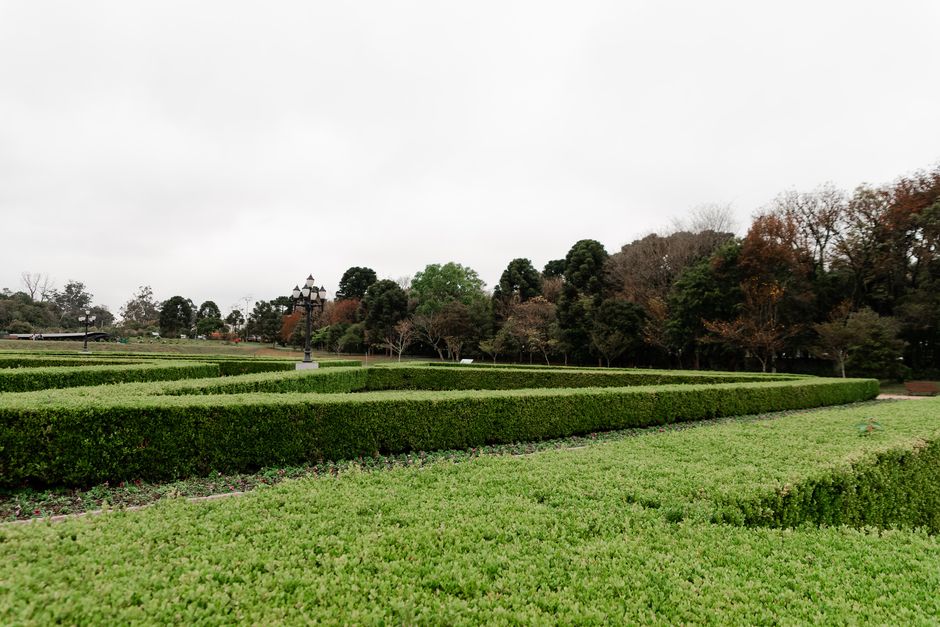
Garden maintenance for homes on Vanbrugh Park Maze Hill

If you live near Vanbrugh Park Maze Hill, you already know the garden can feel like a second living room in the warmer months and a bit of a battleground the rest of the year. Wind comes off the open spaces, shade builds under mature trees, and lawns can go patchy faster than you'd like. Good garden maintenance for homes on Vanbrugh Park Maze Hill is not just about keeping things tidy; it is about keeping the whole outdoor space healthy, usable, and pleasant to look at without spending every weekend chasing weeds, hedges, and fallen leaves.
This guide breaks down what garden maintenance really involves, why it matters in this part of south-east London, and how to approach it in a way that feels realistic. You will find practical steps, useful comparisons, common mistakes, and a straightforward checklist you can actually use. If you want a more polished, lower-stress garden without the guesswork, you are in the right place.
Why Garden maintenance for homes on Vanbrugh Park Maze Hill Matters
Gardens in this pocket of London tend to face a mixed bag of conditions. Some plots get strong sun and drying winds, while others sit in shade for much of the day and hold moisture after rain. Add in mature planting, boundary hedges, patios, decking, and the usual seasonal debris, and maintenance quickly becomes more than an occasional tidy-up.
There is also a visual side to it. In a place where homes often carry real character, an untended front or rear garden can drag down the whole impression of the property. That does not mean everything has to look formal or high-maintenance. Far from it. It just means the space should feel cared for, lived in, and workable. A well-kept garden can soften hard surfaces, frame the house nicely, and make a small outdoor area feel far more generous.
Truth be told, many garden problems start quietly. A hedge gets missed for a season. Ivy creeps across a wall. Lawn weeds spread after a damp spell. Then one weekend later, you are dealing with a bigger job than expected. Regular maintenance is what stops that slow slide.
If you are weighing up whether to manage the work yourself or bring in extra help, it can be useful to look at the wider range of gardening services available, especially when a garden needs more than mowing and pruning.
How Garden maintenance for homes on Vanbrugh Park Maze Hill Works
Good maintenance is usually built around rhythm rather than heroics. The best results come from doing the right tasks at the right time, not from one huge clear-up every few months. In practical terms, that means weekly, monthly, and seasonal jobs that keep the garden balanced.
Core maintenance tasks
- Lawn care: mowing, edging, feeding, scarifying, and weed control.
- Hedge and shrub work: trimming, shaping, thinning, and removing dead growth.
- Weeding: borders, gravel, paving joints, and around fence lines.
- Bed maintenance: mulching, deadheading, dividing congested plants, and refreshing planting structure.
- Path and patio upkeep: clearing moss, algae, and debris before it becomes slippery.
- Tree and large shrub care: light pruning, canopy management, and monitoring for hazards.
Maintenance also changes with the seasons. Spring is about recovery and growth. Summer tends to be about keeping everything watered, trimmed, and under control. Autumn means clearing leaves and preparing beds. Winter is the time for planning, protection, and selective pruning where appropriate.
In a local setting like Maze Hill, gardens near larger trees or more exposed streets often need a bit more attention to storm damage and leaf fall. On the other hand, sheltered plots can need more focus on airflow, drainage, and mildew prevention. Same town, different headaches. That is gardening for you.
How a typical maintenance visit may be structured
- Initial garden assessment and prioritising problem areas.
- Clearing obvious debris, litter, and fallen material.
- Mowing and edging lawns where needed.
- Cutting back overgrowth, hedges, and scrubby growth.
- Weeding borders, paths, and tricky corners.
- Checking the condition of plants, soil, drainage, and hard landscaping.
- Finishing with tidy-up, disposal, and a look at next steps.
If the garden includes hard surfaces, it is often sensible to combine plant care with patio cleaning or even light work on surrounding surfaces so the whole space looks cohesive rather than half-finished.
Key Benefits and Practical Advantages
The obvious benefit is a neat garden. But the real value goes beyond appearances. When maintenance is done well, the garden becomes easier to use, easier to enjoy, and less costly to fix later. That last point matters. Neglect tends to create compound problems: weak grass invites weeds, weeds invite more neglected spots, and before long the whole place feels like a project rather than a retreat.
What good maintenance gives you
- Better curb appeal: especially important for front gardens and boundary planting.
- Healthier plants: more space, better airflow, less competition for nutrients.
- Safer surfaces: fewer slippery patios, blocked paths, or trip hazards.
- Less stress: smaller jobs spread over time are easier to manage.
- Stronger seasonal resilience: gardens cope better with wind, rain, and dry spells.
- More usable space: a tidier garden invites sitting out, gardening, and family time.
There is a quieter benefit too: you notice your garden again. You notice the smell of damp soil after rain, the first shoots in spring, the way a trimmed hedge makes a boundary feel sharper and calmer. It sounds small, but it changes how a home feels. A lot.
Expert summary: The most effective garden maintenance is not the fanciest kind. It is the kind that prevents small issues from becoming expensive, time-consuming jobs later. Consistency beats drama every time.
Who This Is For and When It Makes Sense
This kind of maintenance is relevant to all sorts of homeowners. Some people simply want the outside looking presentable with minimal fuss. Others care about planting, wildlife, and the character of the space. Some just need the garden to stop fighting back every time they open the back door. Fair enough.
It makes sense if you are:
- busy with work, travel, or family commitments
- living in a property with mature trees, hedging, or mixed borders
- dealing with shade, wind, moss, or persistent weeds
- looking after a garden that has been neglected for a while
- preparing to sell, rent, or refresh the look of the home
- wanting a safer space for children, pets, or older family members
It also makes sense when you are at the point of saying, "I can probably do this myself," but somehow the to-do list keeps getting longer. That is usually the signal. Not a failure, just reality.
For homes with strong boundaries or quickly spreading growth, it can be worth looking into hedge trimming in Maze Hill as part of a broader maintenance plan, especially where privacy planting needs regular shaping.
Step-by-Step Guidance
If you want a practical way to manage garden maintenance without overcomplicating it, use a simple routine. No need to turn it into a military operation.
1. Start with a proper walkthrough
Walk the garden slowly and look for what is actually changing. Not what you hope is changing. Check the lawn, borders, fence lines, paving, drains, pots, and any awkward corners that tend to collect debris. Note areas with poor drainage, bare soil, or overgrown growth.
2. Prioritise the safety and access issues first
Before you think about aesthetics, deal with things that make the garden difficult or unsafe to use: slippery paving, low branches, damaged fence panels, broken edging, and uneven paths. If a tree looks overextended or storm-damaged, that is the sort of work where specialist tree surgery can be the sensible next step.
3. Reset the structure
Trim hedges, reduce straggly growth, and define the edges of beds and lawns. Structure makes the garden feel intentional again. Even a modest space looks better when the bones of it are clear.
4. Deal with weeds and invasive growth
Pull weeds early, before they seed or root deeply. If ivy, brambles, or self-seeding plants are taking over, tackle them consistently rather than in one exhausting burst. For tricky climbing growth, the advice in achieving a garden free of ivy for the long haul is especially useful.
5. Refresh the soil and planting areas
Use compost or mulch where needed. Soil that is tired or bare tends to invite weeds and dries out too quickly. If you are dealing with lots of dead material, the piece on turning organic debris into nourishing soil is a helpful companion read.
6. Finish with lawn and surface care
Mow at the right height for the season, edge properly, and clear paths or patios so the garden looks complete. If the lawn has become uneven or weed-heavy, focused lawn care can make a surprisingly big difference in a short time.
7. Set a repeat schedule
Gardens do not stay tidy by accident. Set weekly, monthly, and seasonal reminders. Even a lightweight routine beats a full reset every few months. Much less painful, frankly.
Expert Tips for Better Results
The best garden maintenance plans are not just tidy; they are smart. They work with the site, not against it. Here are a few things that usually improve results quickly.
- Cut little and often: especially with hedges and fast-growing shrubs. Waiting too long often means harsher cuts and a less natural shape.
- Match plants to conditions: a shady garden needs different planting choices from a sunny one. If you are filling difficult corners, shade-tolerant options such as those discussed in shade-loving evergreen climbers can help.
- Do not ignore the edges: borders, fence lines, and the space behind sheds are where maintenance often slips.
- Protect against weather swings: windy spells and heavy rain can undo weeks of work, so choose staking, pruning, and planting methods that suit local conditions. The guide to preventing weather damage in your garden is worth a look.
- Keep the space easy to use: if the garden is awkward to move through, you will avoid it more often. Clearing sightlines and walking routes makes maintenance feel less like a chore.
A small tip that sounds almost too simple: keep a trug or tub near the back door for quick tidy-up rounds. One minute here, two minutes there. It adds up.
For busy households wanting less ongoing work, the post on eco-friendly, budgetwise low-maintenance gardening tips is useful because it focuses on making the garden easier to live with, not just prettier.
Common Mistakes to Avoid
Most garden maintenance problems are not dramatic. They are just a series of small oversights. The good news is that once you know the pattern, it becomes much easier to avoid the usual traps.
Typical mistakes
- Waiting until everything looks overgrown: by then, the job is heavier and often more expensive.
- Cutting hedges or shrubs too hard: some plants respond badly to severe reductions.
- Ignoring drainage problems: standing water damages roots and creates slippery surfaces.
- Leaving fallen leaves in thick layers: this can smother grass and beds.
- Using the same approach for shade and sun: one-size-fits-all rarely works in gardens.
- Forgetting seasonal timing: pruning and lawn care often depend on the time of year.
Another common mistake? Assuming the garden needs a total redesign when what it really needs is a reset. Sometimes the answer is not a makeover. It is simply better maintenance. A bit boring, maybe, but effective.
Tools, Resources and Recommendations
You do not need an enormous kit to maintain a garden properly, but having the right basics makes every task faster and safer. Good tools also tend to be kinder to plants and surfaces, which matters more than people think.
Useful tools for routine maintenance
- sharp secateurs for small pruning jobs
- hedge trimmers for shaping and reduction work
- sturdy gloves and eye protection
- lawn mower and edging tool
- leaf rake and garden fork
- wheelbarrow or trug for green waste
- pressure or patio cleaning equipment where suitable
For people new to maintaining their own garden, a practical starting point is gardening gear every outdoor enthusiast should own. It keeps the focus on useful basics rather than clutter.
There are also plenty of layout and planting styles that can reduce maintenance over time. Ground cover can suppress weeds. Vertical planting can make use of narrow spaces. Container gardening can help you control soil quality and watering. If you are redesigning as well as maintaining, these articles may help: ground cover solutions for UK gardens, vertical gardening, and what makes container gardening unique.
For homeowners who prefer a more complete handover, it is sensible to review pricing and quotes before deciding how much of the work to outsource and how much to keep in-house.
Law, Compliance, Standards, or Best Practice
Garden maintenance is usually straightforward, but a few practical standards matter. In the UK, homeowners should be mindful of safety, neighbour relations, and responsible waste handling. If a garden task could create risk, it should be approached carefully or left to someone qualified.
That means using ladders sensibly, keeping paths clear, checking for hidden hazards before cutting, and not tackling larger trees or unstable structures without proper experience. It also means being considerate with noise, green waste, and overhanging growth that may affect neighbours. Hedges and boundary planting can become awkward if they are left too long, and small issues can turn into disputes surprisingly quickly.
Where equipment, machinery, or more involved work is used, it is sensible to understand the provider's approach to safety and liability. If you are exploring outside help, pages such as insurance and safety, health and safety policy, and terms and conditions are useful for setting expectations.
Responsible garden care also includes disposal. Green waste, bags of clippings, and soil should be handled properly rather than left in a corner indefinitely. It sounds obvious, but it really matters in a tight urban setting.
Options, Methods, or Comparison Table
Homeowners usually approach garden maintenance in one of three ways: do it all themselves, handle the basics and outsource the tricky jobs, or book regular professional help. Each option has its own rhythm and trade-offs.
| Approach | Best for | Pros | Watch-outs |
|---|---|---|---|
| DIY maintenance | Smaller gardens, confident gardeners, flexible schedules | Lower direct cost, full control, satisfying if you enjoy it | Takes time, equipment costs add up, easy to let tasks drift |
| Mixed approach | Busy households with a few awkward tasks | Good balance of cost and convenience, targeted expertise | Needs planning so jobs do not overlap or get missed |
| Regular professional care | Large, overgrown, or low-time gardens | Consistent results, less stress, useful for seasonal upkeep | Higher ongoing cost than doing everything yourself |
For many homes around Vanbrugh Park Maze Hill, the mixed approach is the sweet spot. Do the light weekly jobs yourself, then call in help for hedge reduction, seasonal resets, or heavy clearances. That tends to keep the garden looking good without swallowing your weekends.
Case Study or Real-World Example
Picture a typical rear garden after a damp spring. The lawn is thinning in patches, the border weeds are having a field day, and a hedge that looked neat in April now feels like it has opinions. Nothing catastrophic, just untidy enough that people stop using the space properly.
In a case like that, the fastest improvement usually comes from three things: a full tidy-up, a measured hedge cut, and a reset of the lawn and borders. Once the overgrowth is removed, the space suddenly feels larger. Light reaches the planting again. The patio is easier to walk across. You can hear the garden again, if that makes sense - birds, wind, a bit of quiet. The whole place changes mood.
That is often the moment homeowners realise maintenance and design are connected. A garden does not have to be extensively redesigned to feel transformed. Sometimes it just needs to be brought back under control, then maintained properly from there.
Practical Checklist
Use this checklist as a simple monthly reset. If half the jobs are drifting, it is probably time to act.
- Check lawn height, weeds, and bare patches
- Trim hedges, climbers, and untidy shrub growth
- Deadhead flowers and remove spent material
- Clear leaves, twigs, and surface debris
- Inspect patios, paths, and decking for slips or build-up
- Look for drainage issues after heavy rain
- Assess trees, branches, and boundary planting
- Refresh mulch or compost where soil looks tired
- Water containers and newly planted areas properly
- Plan the next seasonal task before it becomes urgent
If you want a calmer, more structured outdoor space rather than a constant series of little emergencies, it may also be worth reading about zen garden designs for a calming outdoor retreat. It is a good reminder that maintenance supports atmosphere too.
Conclusion
Garden maintenance for homes on Vanbrugh Park Maze Hill is really about keeping your outdoor space working properly through the changing seasons. A good routine protects plants, improves safety, reduces workload, and makes the garden feel like part of the home rather than a task hanging over you. Whether your space is a compact courtyard, a family lawn, or a more established plot with hedging and mature planting, the same principle holds: small, regular care beats occasional rescue work.
There is no need to make it perfect. Most gardens do better when they are simply looked after well and consistently. That is the honest version. And, to be fair, it is the one most people can actually stick to.
Get a free quote today and see how much you can save.
If you are ready to take the pressure off and get your garden back under control, start with a clear plan, a realistic schedule, and a team that understands the area. Sometimes that first tidy-up is the turning point.
Frequently Asked Questions
How often should garden maintenance be done for homes on Vanbrugh Park Maze Hill?
Most gardens benefit from weekly or fortnightly light attention, with heavier seasonal work every few months. The exact schedule depends on planting style, lawn size, and how exposed the garden is to wind or shade.
What does regular garden maintenance usually include?
It commonly includes mowing, edging, weeding, hedge trimming, shrub care, leaf clearance, border tidy-ups, and checking for issues with drainage, overgrowth, or damage.
Is it better to do garden maintenance myself or hire help?
That depends on your time, confidence, and the size of the garden. Smaller spaces can be manageable DIY projects, but larger or more overgrown gardens often improve faster with professional support.
What problems are most common in local gardens near Vanbrugh Park Maze Hill?
Shaded areas, moss, wind exposure, ivy, patchy lawns, and dense hedge growth are all common. Mature surroundings can be beautiful, but they also create a few recurring maintenance challenges.
How do I keep a garden low-maintenance without making it dull?
Use hardy planting, ground cover, simple borders, and a practical lawn size. The trick is to reduce busywork while keeping some texture and seasonal interest.
When is the best time to trim hedges and shrubs?
It depends on the plant species and the growth rate. Generally, lighter, regular trimming is better than waiting for major overgrowth. Some shrubs and hedges need a more careful seasonal approach, so timing matters.
Can garden maintenance help improve property value?
It can improve presentation, kerb appeal, and first impressions, which all matter when people view a home. It is not a magic wand, but a tidy outdoor space usually supports a stronger overall impression.
What should I do if my garden has a lot of ivy or invasive growth?
Deal with it steadily and thoroughly rather than just hacking at the top growth. Persistent climbers often need repeat attention and a clear follow-up plan so they do not return stronger.
Do patios and decking need to be included in garden maintenance?
Yes, if you want the whole space to look and function well. Slippery patio surfaces, moss, and debris can quickly make the garden feel neglected even if the planting is tidy.
How do I prepare my garden for winter?
Clear leaves, protect tender plants, reduce vulnerable growth, check drainage, and secure anything that could blow around in strong weather. The earlier you prepare, the less mess you face later.
Is there a difference between lawn care and general garden maintenance?
Yes. Lawn care focuses on the grass itself - mowing, feeding, weed control, and repairs - while garden maintenance covers the broader outdoor space, including beds, hedges, paths, and trees.
What should I look for in a garden maintenance provider?
Look for clear communication, a sensible approach to safety, transparent pricing, and services that match what your garden actually needs. It is worth checking how they handle seasonal work, waste, and more complex tasks too.
How do I decide whether my garden needs a one-off clear-up or ongoing care?
If the space just needs a reset, a one-off tidy-up may be enough. If the same issues keep returning - weeds, hedge overgrowth, patchy lawn, or debris build-up - ongoing care is usually the better fit.
Can a small garden still benefit from maintenance services?
Absolutely. Small gardens can look neglected very quickly, and because the space is limited, every untidy corner stands out. Regular maintenance keeps them sharp, usable, and far less stressful to manage.
For more about the team behind the work, you may also want to read about us. And if you are ready to talk through your garden, the simplest next step is to get in touch using the contact page.